
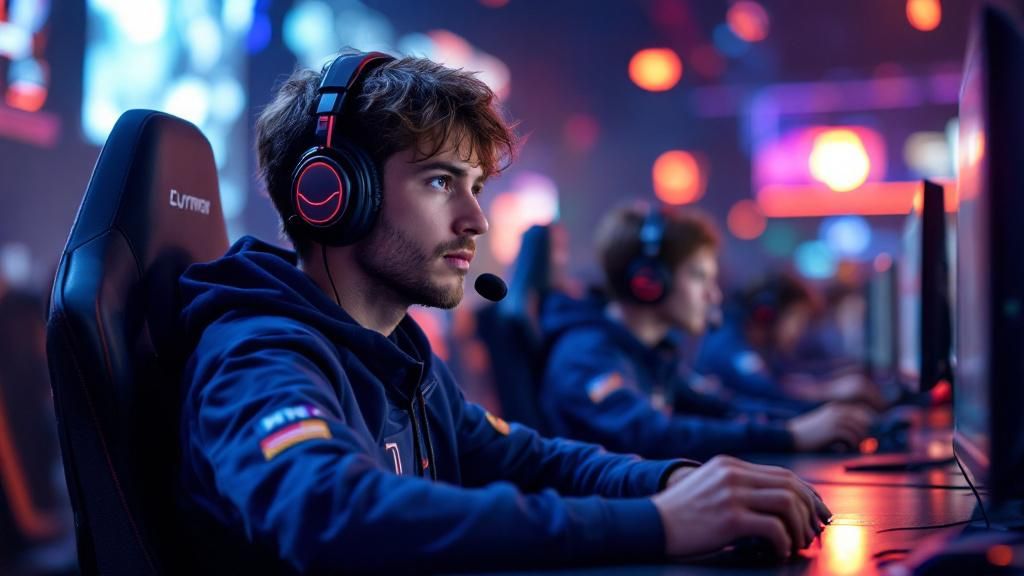
The esports industry has advanced substantially in championing competitor wellbeing. Prominent event operators have jointly unveiled a comprehensive player welfare standards framework, addressing persistent issues about mental wellbeing, labour conditions, and just treatment within the professional gaming sector. This landmark initiative marks a critical juncture for esports legitimacy, creating minimum standards that could fundamentally alter how the industry operates. We explore the framework’s central components, the bodies spearheading this shift, and what it means for competitors and the esports ecosystem going forward.
Comprehensive Industry Pledge to Responsible Gaming
The joint initiative between prominent esports bodies marks a significant milestone for athlete safeguarding within professional esports. This cohesive approach demonstrates the industry’s genuine commitment to creating lasting protocols that prioritise competitor wellbeing alongside performance quality. By sharing assets and experience, these organisations have developed detailed frameworks addressing physical condition, emotional health, and occupational safety. The programme demonstrates increasing awareness that player welfare directly influences performance quality and sustained careers, making it essential for the sport’s credibility and growth.
Tournament administrators have confirmed that earlier guidelines were disjointed and variable, exposing competitors to exploitation and burnout. The revised structure establishes consistent standards among principal events, making certain each professional player gets fair consideration and connection to crucial welfare resources. This unified strategy eradicates unequal conditions stemming from inconsistent protections and sets fair competition standards. Industry experts emphasise that these standards represent minimum requirements, urging bodies to surpass fundamental requirements and foster genuinely supportive environments where athletes can flourish across professional and personal dimensions.
Key Aspects of the Welfare Provision
The newly established welfare framework comprises multiple linked pillars created to safeguard player welfare completely. These provisions address mental health support, physical fitness, equitable employment terms, and transparent dispute resolution processes. By bringing these provisions together, tournament operators aim to develop a comprehensive strategy that treats esports athletes as competitive professionals deserving strong safeguards. The framework defines essential standards that all participating tournaments must implement, providing uniform player protections across the esports competitive sector.
Psychological Health Support Services
Understanding the mental health challenges inherent in professional esports, the framework requires access to mental health professionals for all players competing. Event organisers should offer confidential counselling services, via direct provision or partnerships with qualified mental health providers. Such services include stress reduction, performance anxiety support, and crisis intervention resources. Players have access to qualified psychologists who are familiar with esports-specific pressures, including digital harassment, high-level competitive stress, and career uncertainty.
The framework additionally stipulates tournaments to introduce mental wellbeing education initiatives and destigmatisation initiatives across the community. Organisers must educate players, coaches, and staff about spotting mental health concerns and accessing proper help. Periodic reviews and wellness monitoring systems enable detect struggling players early, enabling early action before situations progress into serious psychological crises.
Physical Health Requirements
Tournament operators must establish thorough health and safety standards tackling ergonomics, break times, and clinical supervision. The framework requires appropriate chairs, monitor positioning, and downtime to reduce RSI frequently seen in esports professionals. Clinical personnel must be present at large-scale competitions to manage pressing health problems, whilst organisers are required to give advice about injury avoidance and appropriate healthcare resources for sustained athlete progression.
Environmental conditions at tournament venues are now subject to strict requirements guaranteeing player wellbeing and safety. Regulations cover temperature control, lighting standards, and noise levels to deliver optimal performance conditions. Additionally, the framework promotes players to complete periodic health checks and provides guidance on diet, sleep hygiene, and exercise routines vital to sustained competitive excellence in esports.
- Workplace gear assessments conducted by qualified specialists
- Mandatory rest periods between matches preventing athlete fatigue
- On-site medical staff available during all competitive events
- Injury prevention education and recovery programme access
- Health monitoring programmes monitoring athlete health throughout seasons
Rollout Schedule and Standards
The framework will be implemented in three separate phases, commencing immediately with preliminary assessments across member organisations. Tournament operators have committed to completing first audits of their present procedures by the end of the first quarter, pinpointing differences between current procedures and the revised guidelines. This initial stage ensures a thorough understanding of each organisation’s baseline position before making material alterations. Subsequent phases will involve team training, guideline amendments, and the establishment of external compliance frameworks to secure conformity and accountability throughout the competitive gaming sector.
The standards themselves include mandatory provisions covering mental health support, sensible practice arrangements, and transparent prize distribution protocols. Each organisation must designate a designated welfare champion accountable for managing grievances and upholding guidelines. Regular audits, conducted by third-party bodies, will verify compliance and pinpoint aspects needing enhancement. These comprehensive measures create quantifiable standards for competitor welfare, with enforcement mechanisms including pecuniary fines and prospective event bans for organisations failing to meet required standards.
Sector Response and Future Perspective
The announcement has garnered widespread support from stakeholders across the competitive gaming sector. Professional player groups have endorsed the structure as a necessary step towards elevating the professionalism of the sector, whilst team owners and commercial partners recognise the opportunity for enhanced credibility and longevity. Gaming equipment manufacturers and broadcast services have undertaken to integrate welfare considerations into their day-to-day activities, demonstrating a shared dedication to comprehensive transformation. Early indications suggest that oversight organisations and public sector leaders perceive the guidelines favourably, possibly opening the door to statutory acknowledgement of esports as a legitimate professional sector.
Looking ahead, industry observers predict that this framework will serve as a template for global adoption, with regional tournaments and smaller competitions set to implement comparable standards. The programme is expected to encourage ongoing discussion regarding athlete remuneration, career development pathways, and mental health resources. As esports undergoes rapid expansion, these welfare standards constitute a crucial safeguard ensuring that competitive gaming stays viable, inclusive, and respectful for all participants, in turn strengthening the industry’s position as a legitimate competitive sector.
